TARIAN
2023
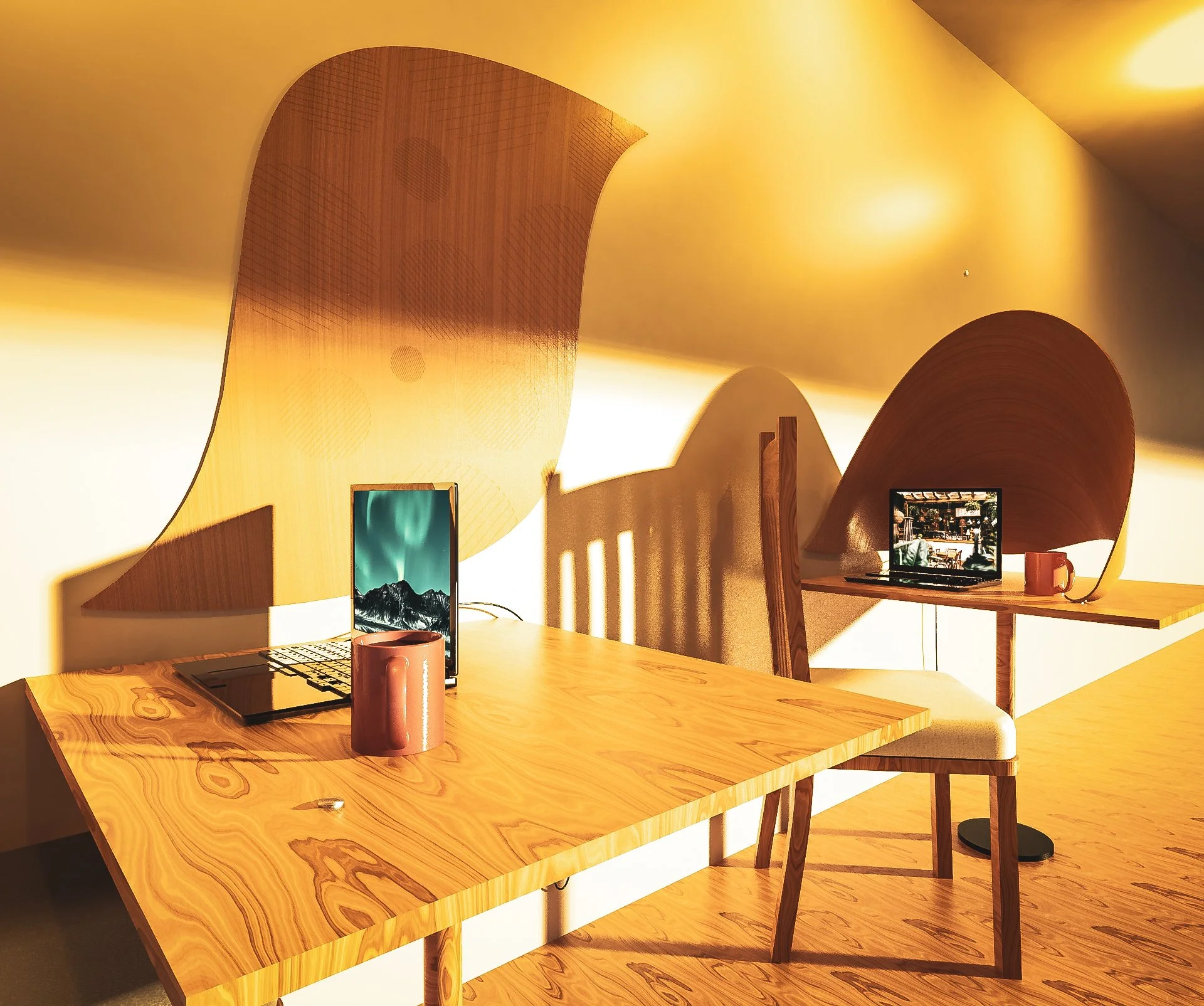
A workspace designed to transition between creative thinking and focused work.
Client / University Degree Product
Role / Product Designer
Product Design / user research / full-scale prototype / university final product
01/
challenge
Design a workspace that balanced privacy, collaboration and wellbeing in a post-pandemic world.
Hybrid working created conflicting needs. People wanted privacy without isolation, and spaces that could transition between collaboration and focused work.
02/
research
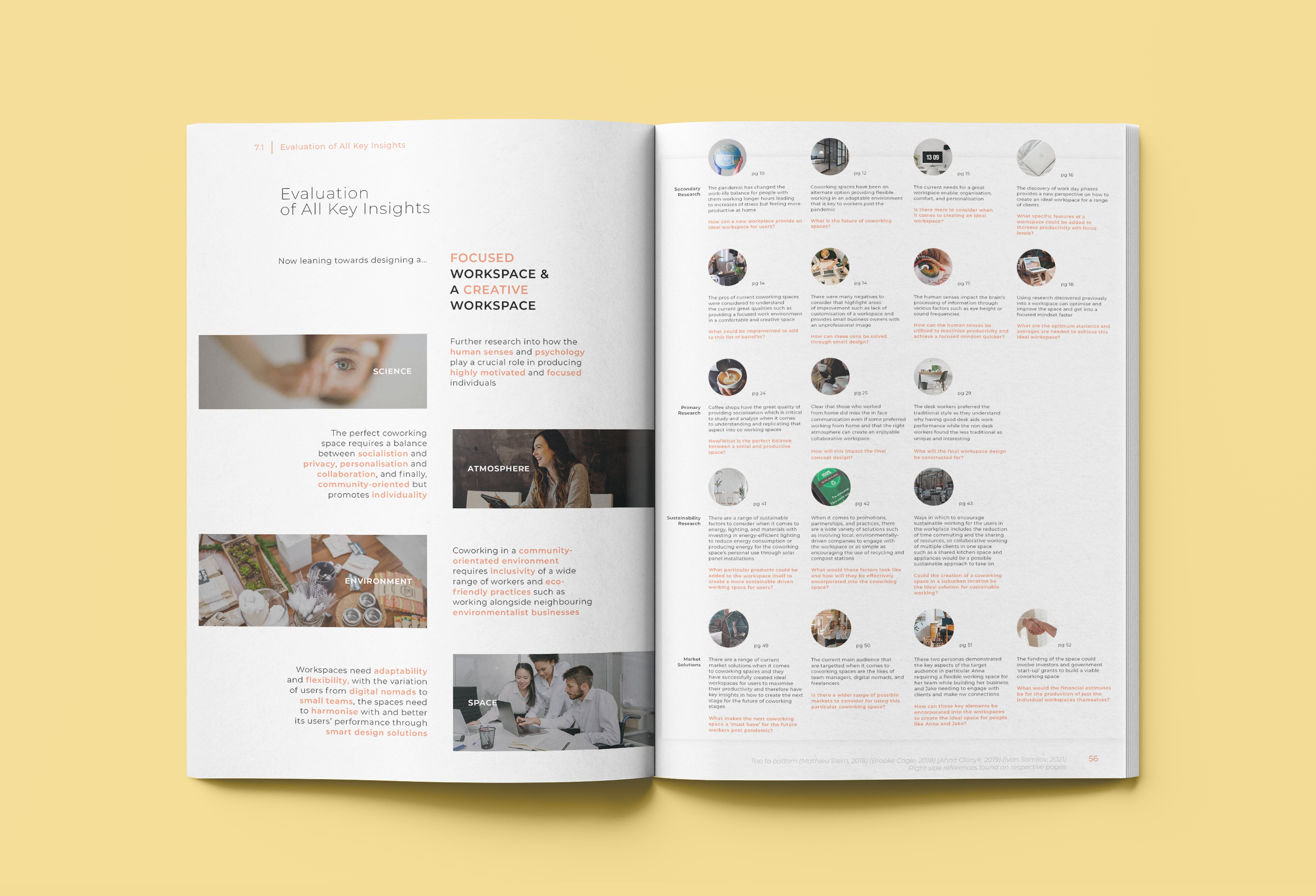
Understanding how people wanted to work before deciding what to build.
I conducted user interviews, explored workplace behaviours and reviewed research into environmental psychology to understand how physical environments influence focus, creativity and collaboration.
One insight changed the direction of the project: The Cathedral Effect, a psychological theory suggesting our surroundings can influence the way we think.

Could architecture
shape creativity?
High ceilings encourage creative thinking.
Low ceilings encourage focused thinking.
03/
Translating Insight into Design
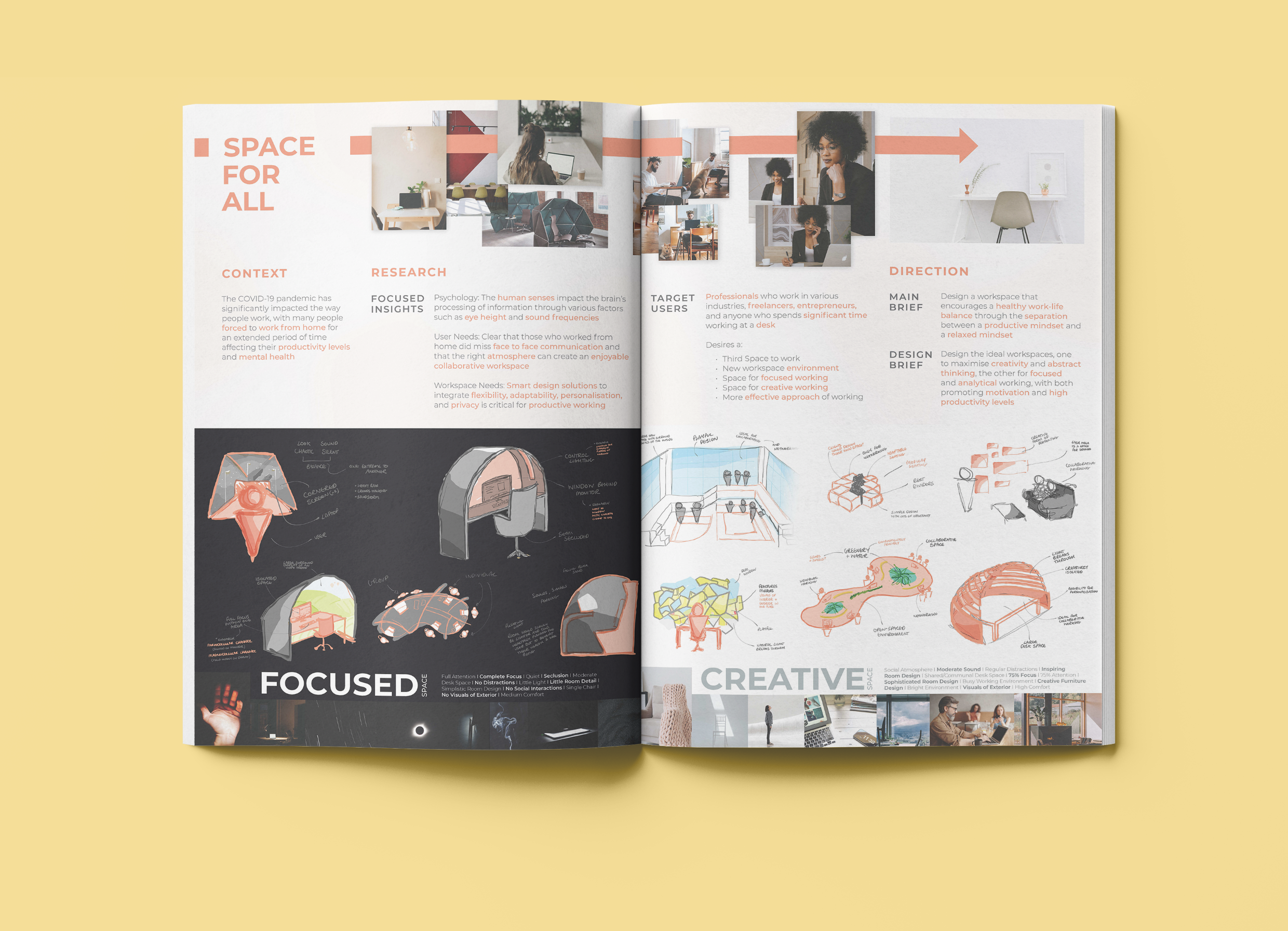
Designing for two states of thinking.
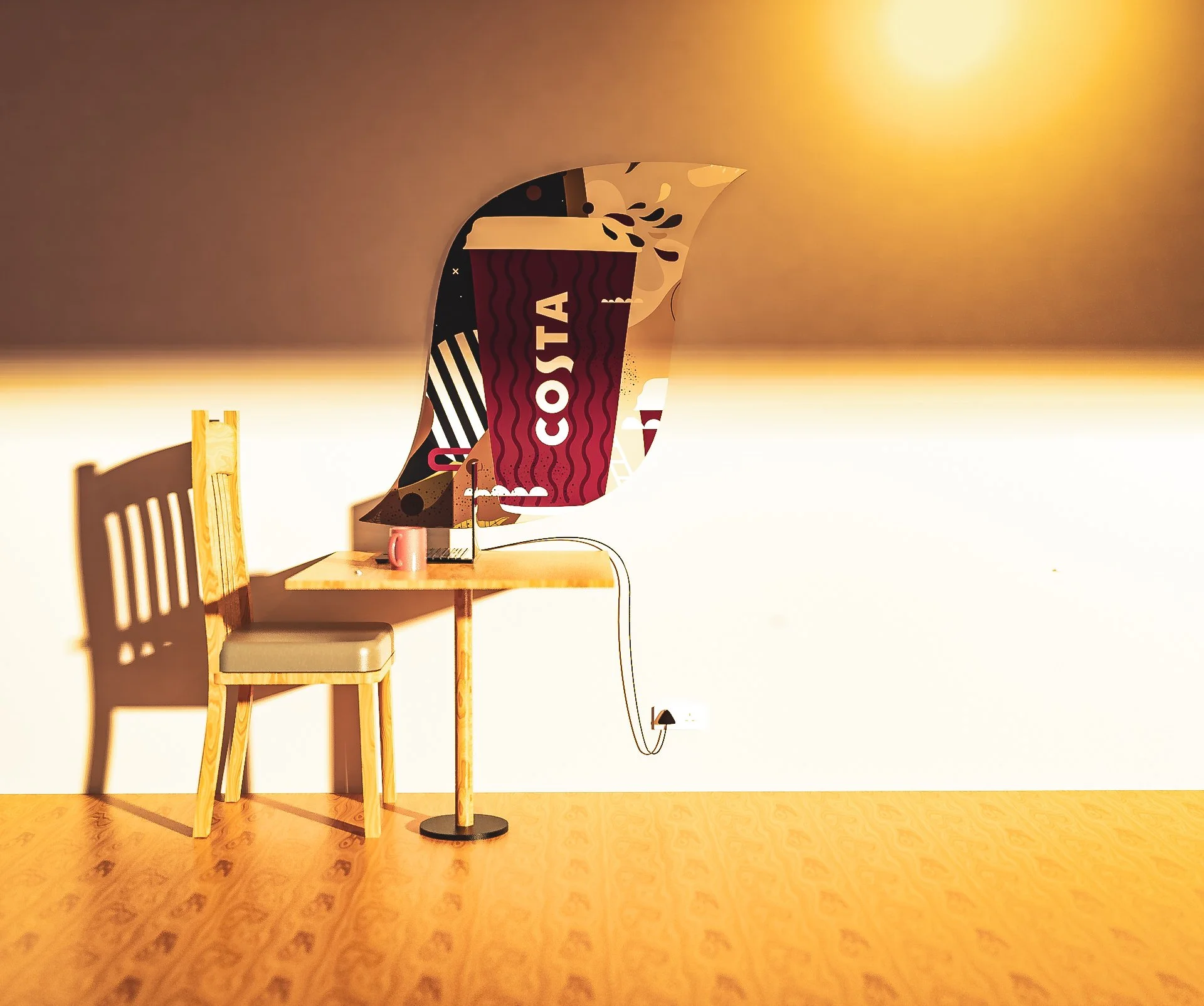
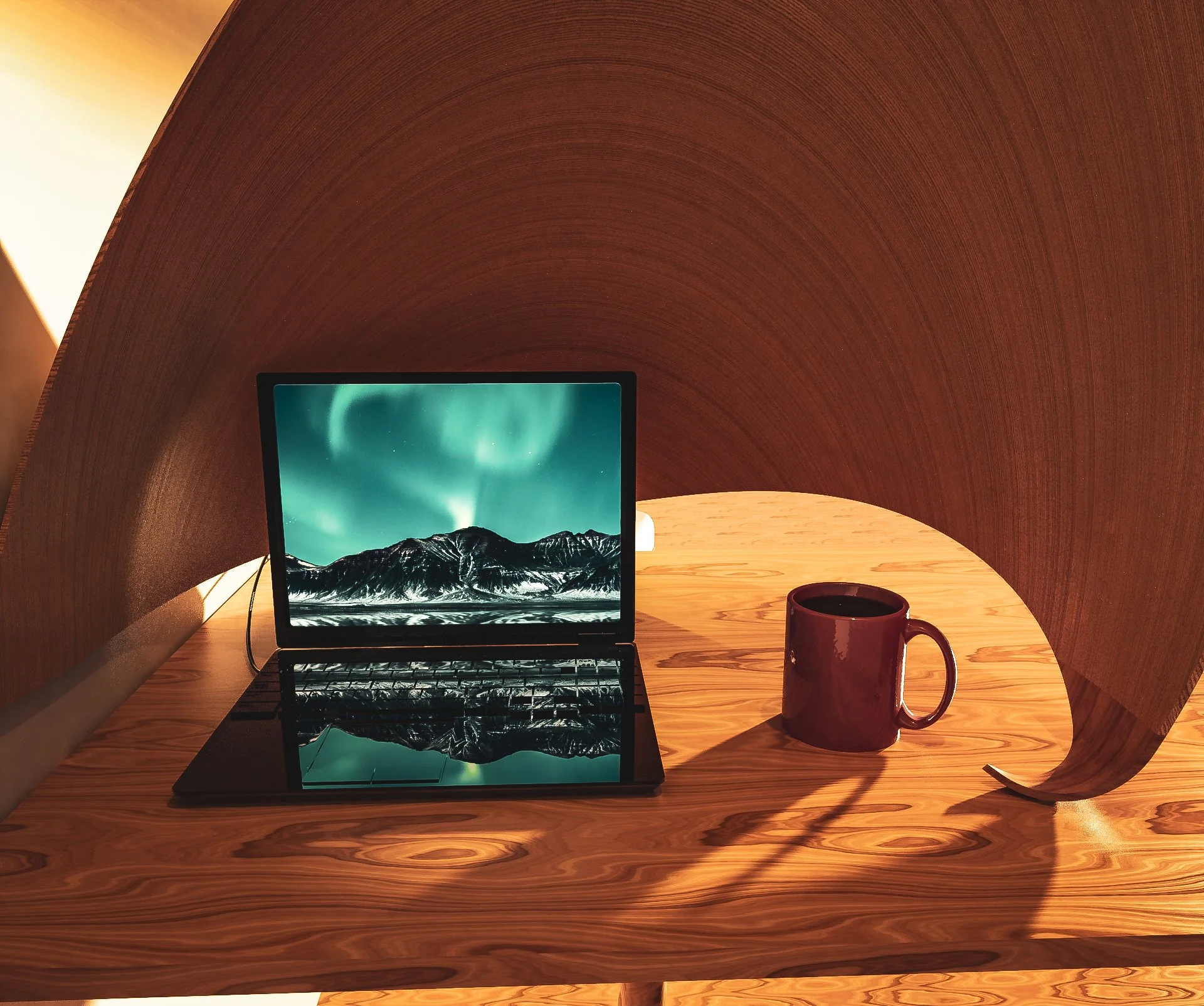
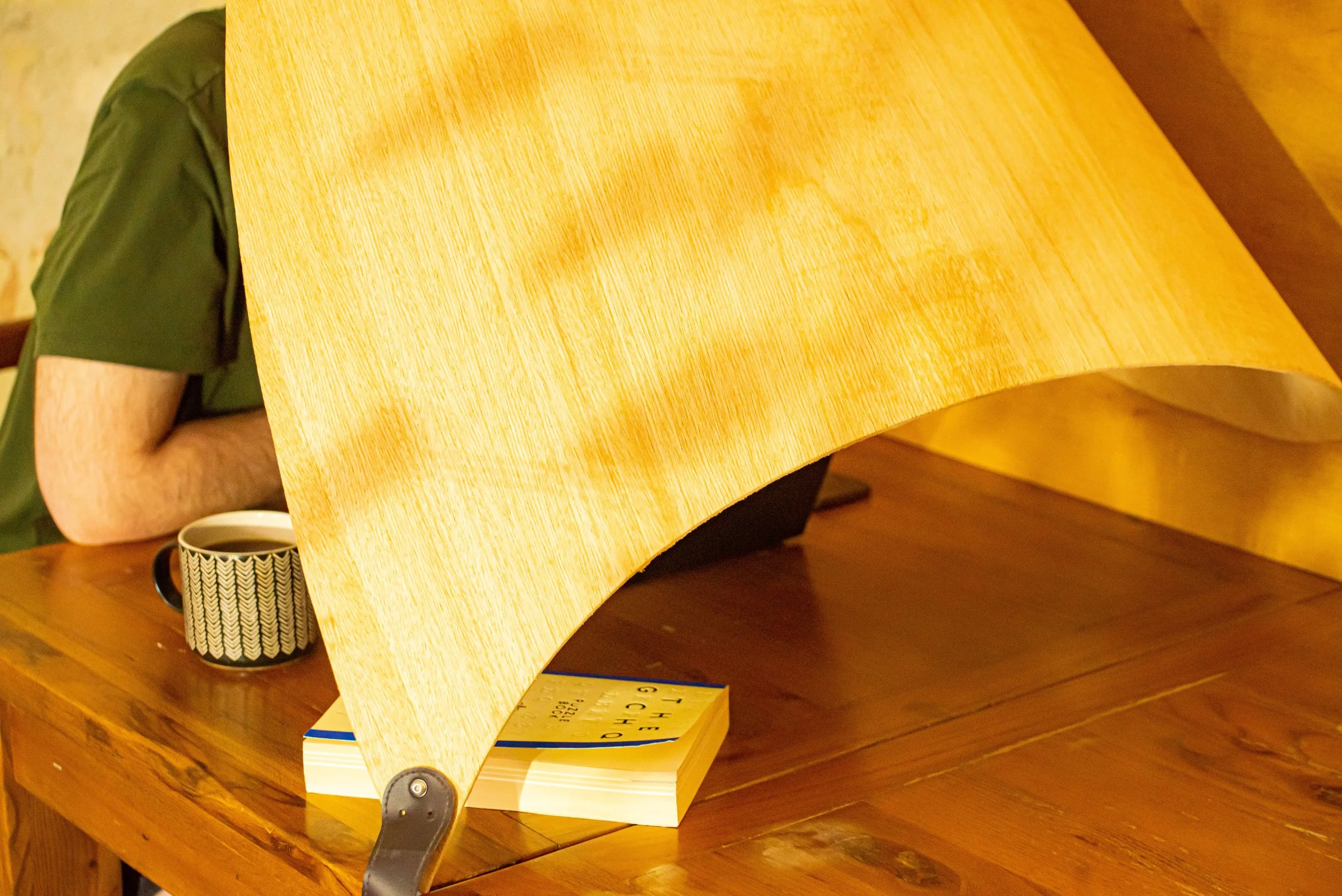
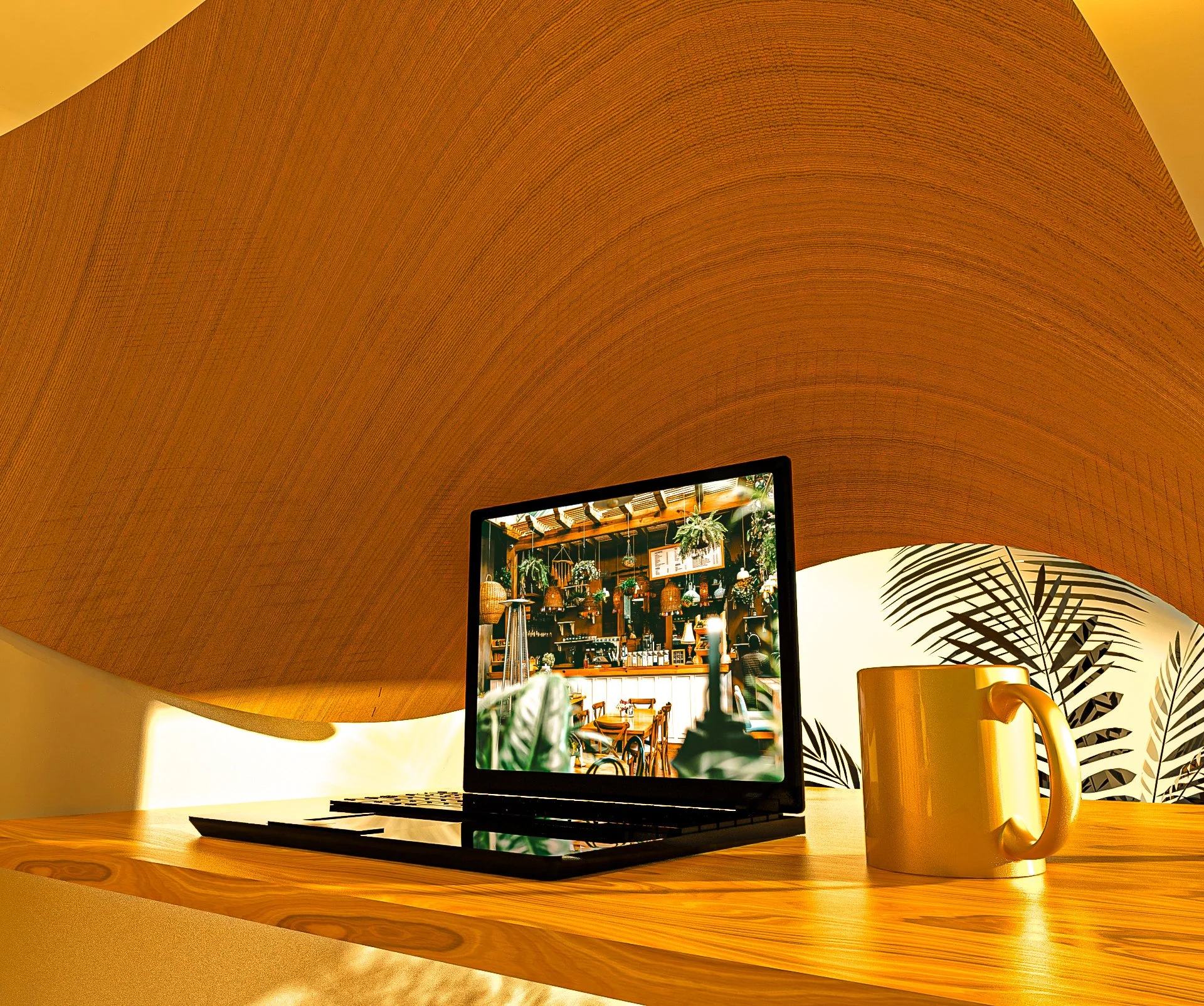
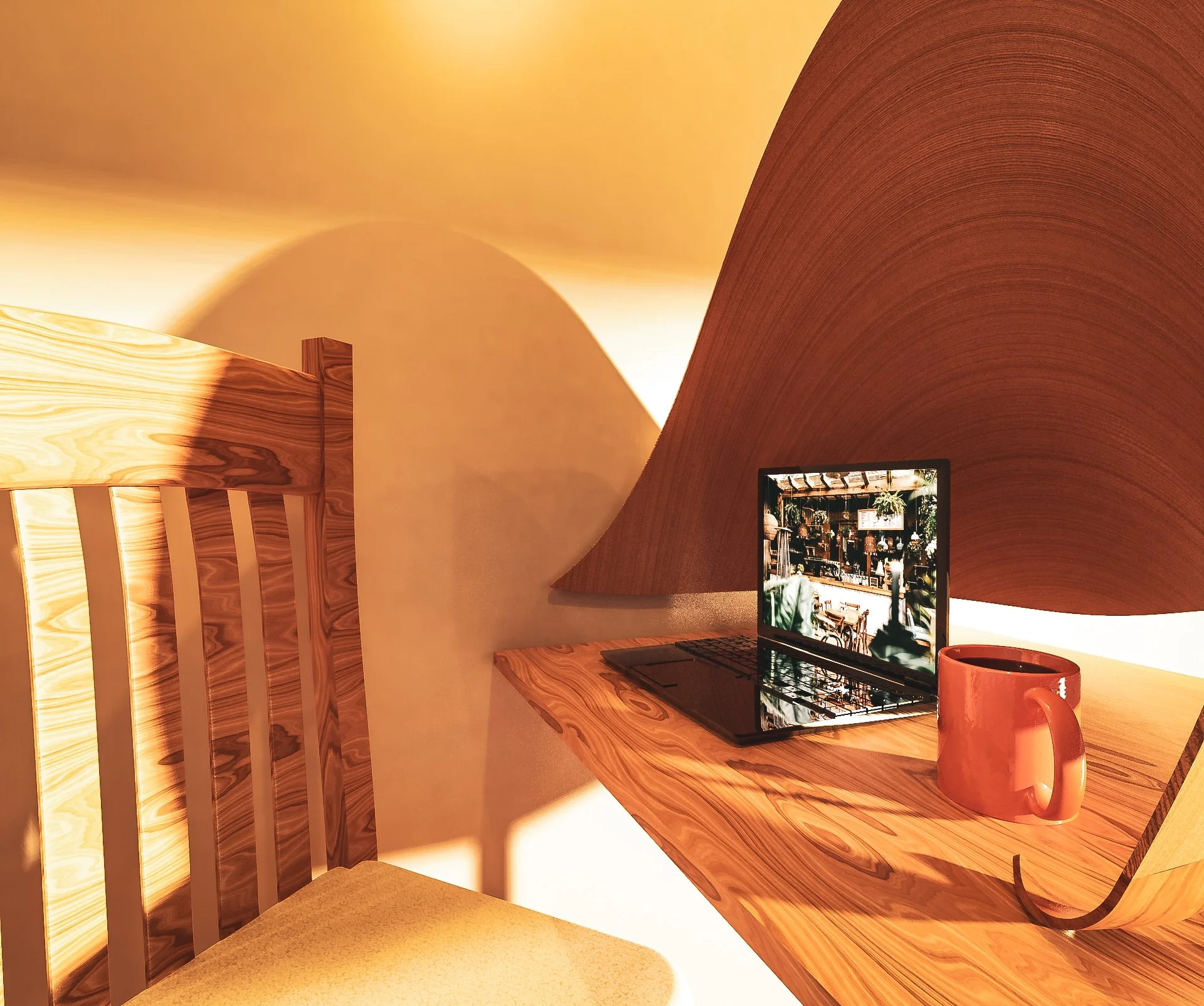
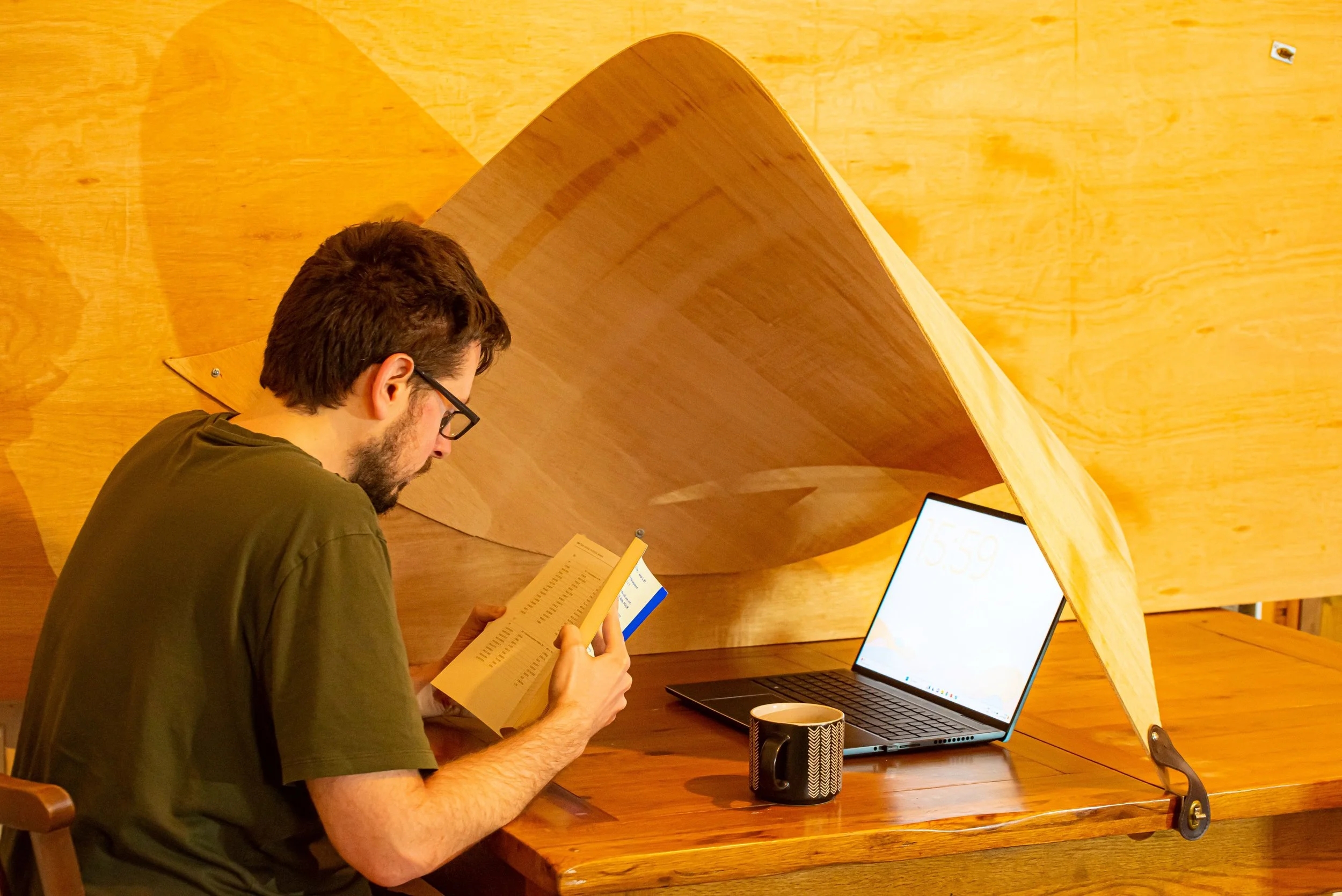
Instead of creating a static divider, TARIAN became a product that transitioned between two environments: an open space that encouraged creative thinking, and an enclosed space that supported focused work.
04/
development
Turning an idea into a manufacturable product.
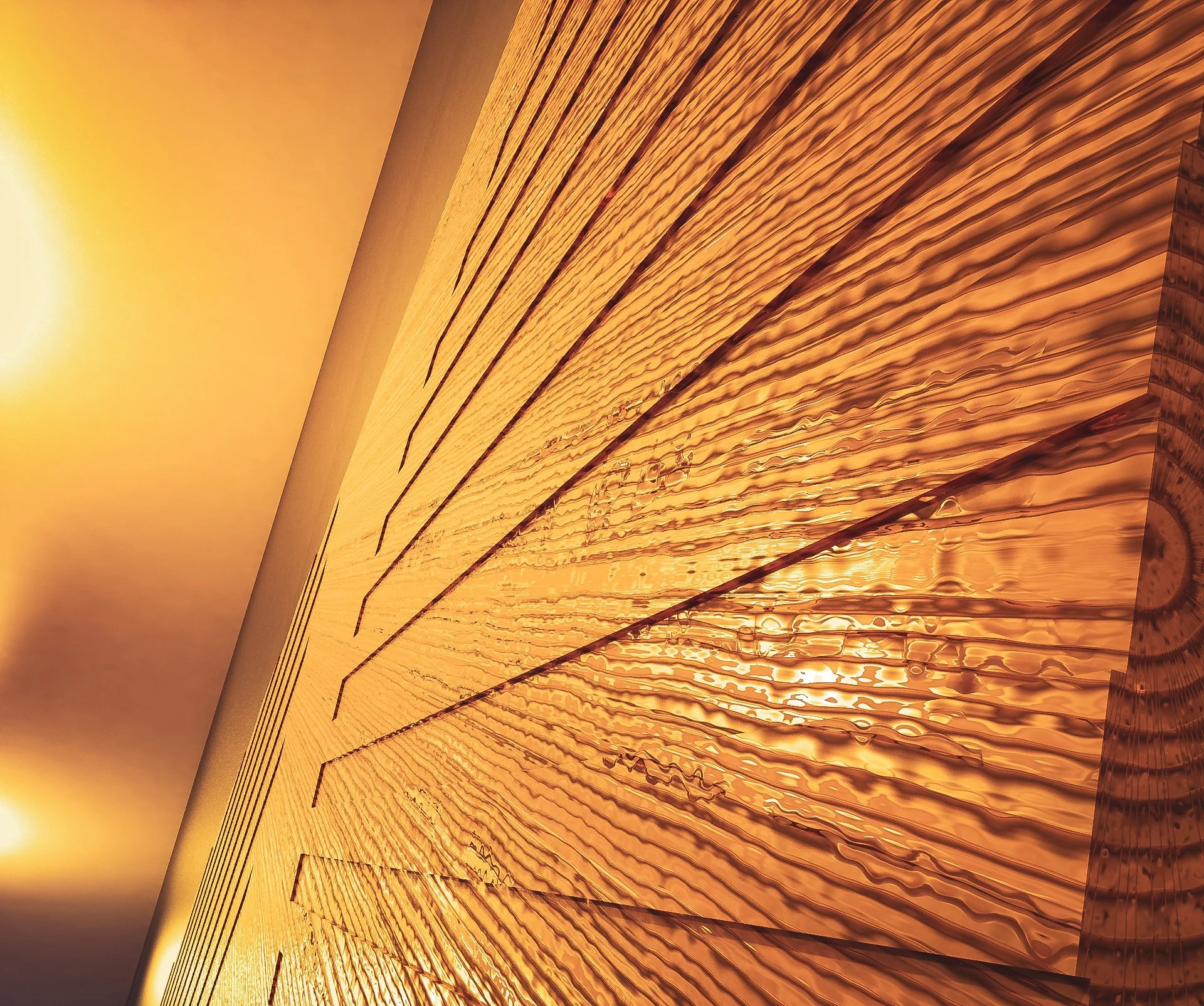
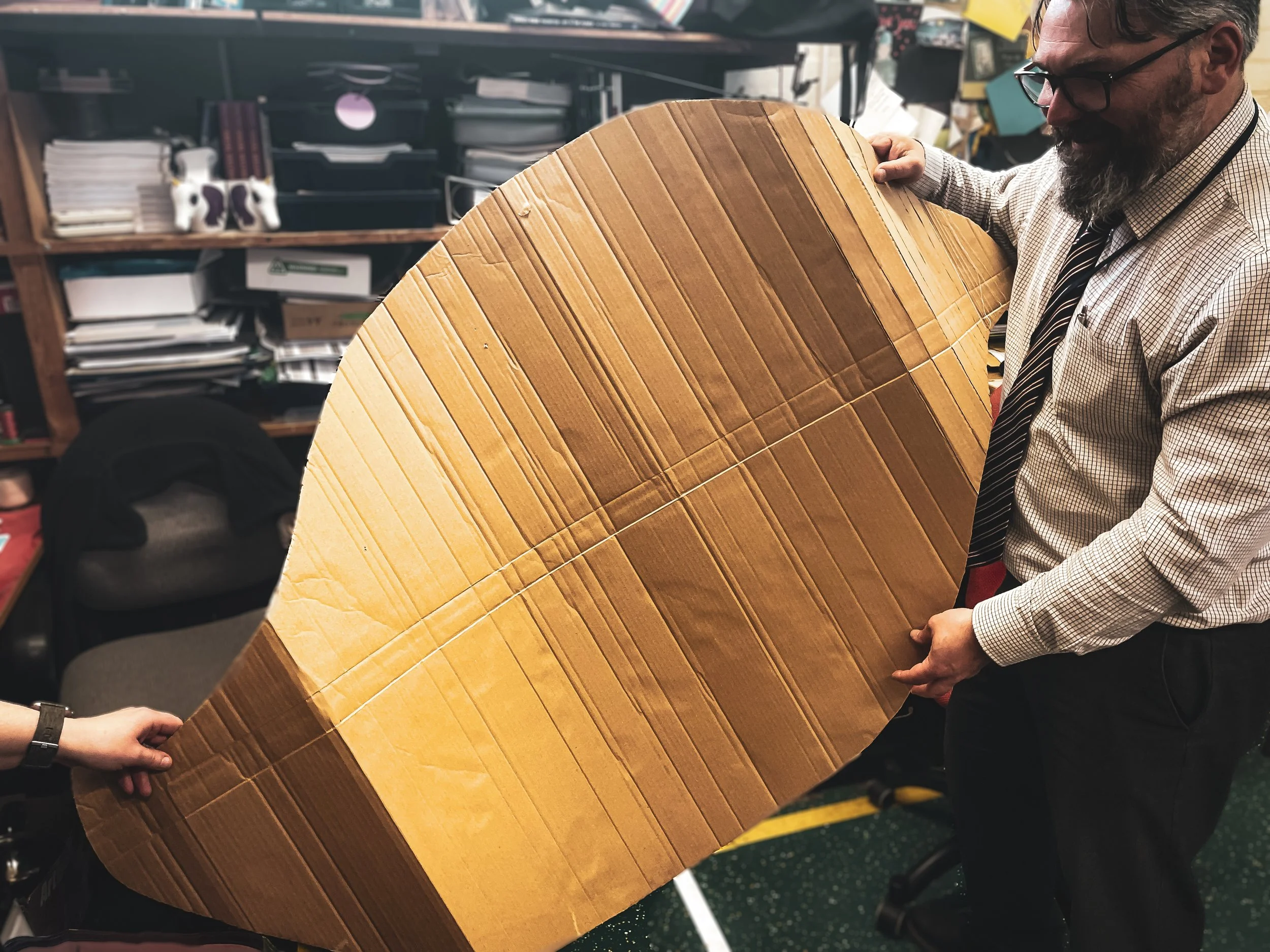
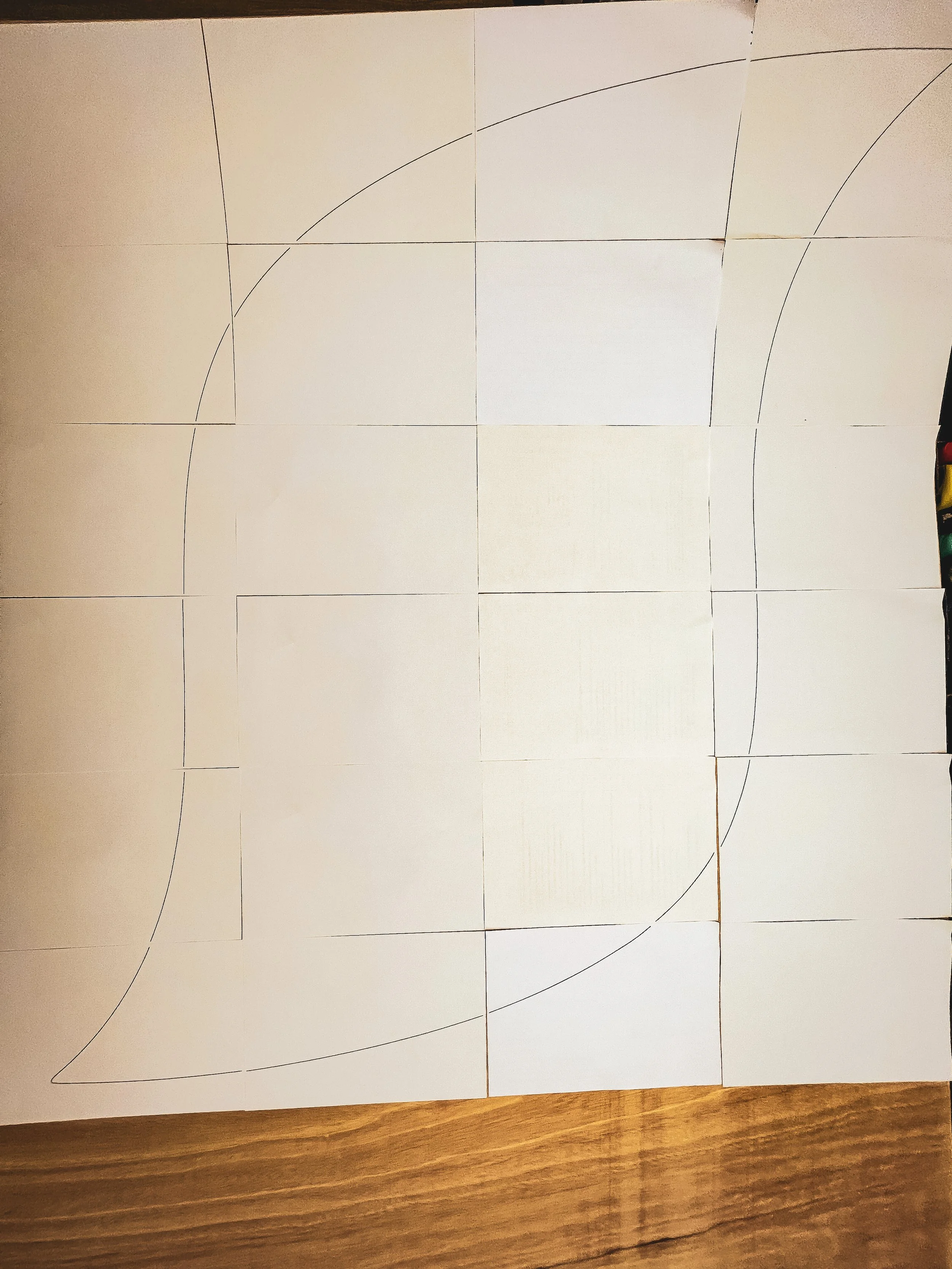
Sketches, CAD models and physical prototypes refined the concept into a practical, foldable solution.
05/
prototype
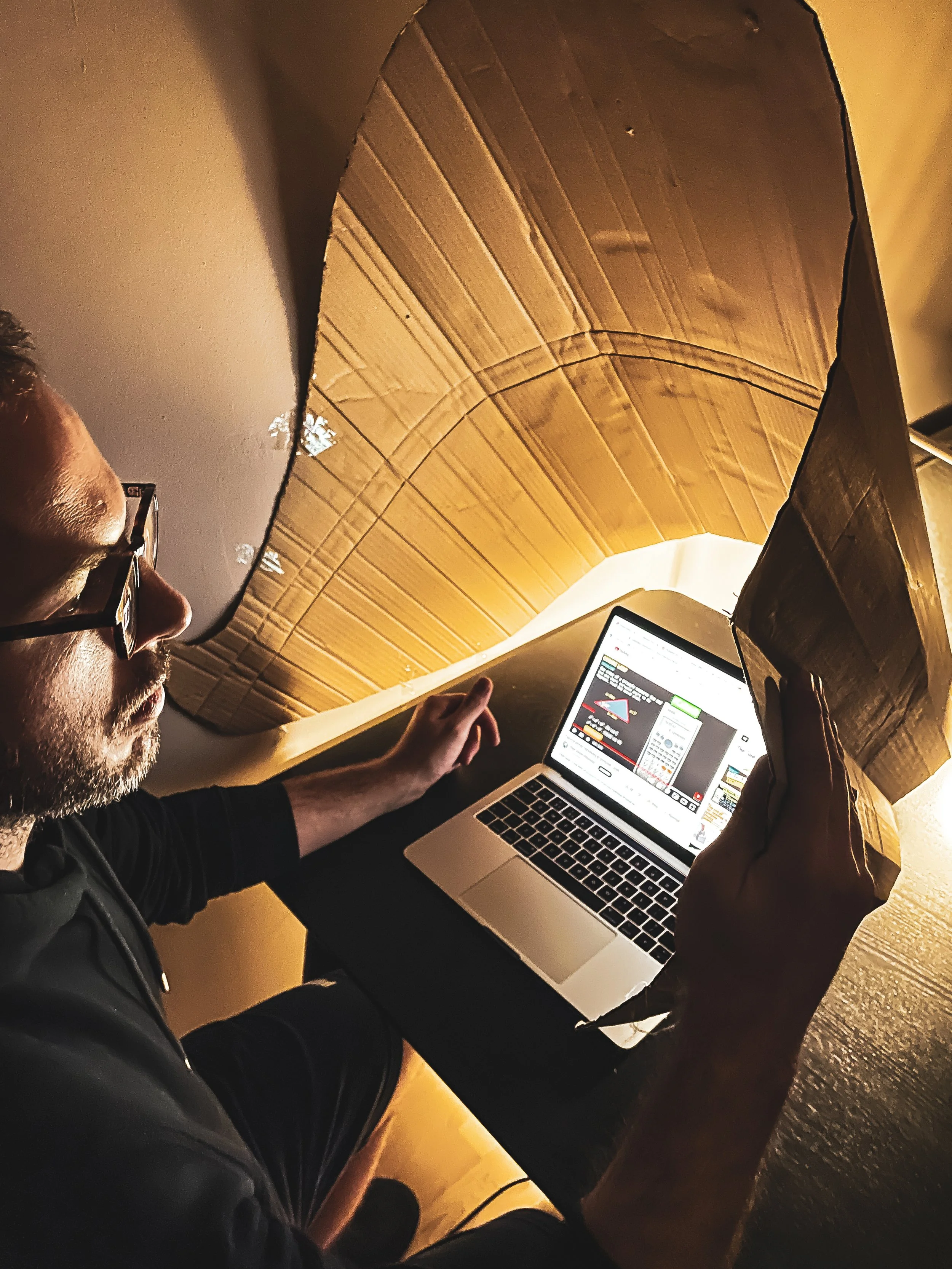
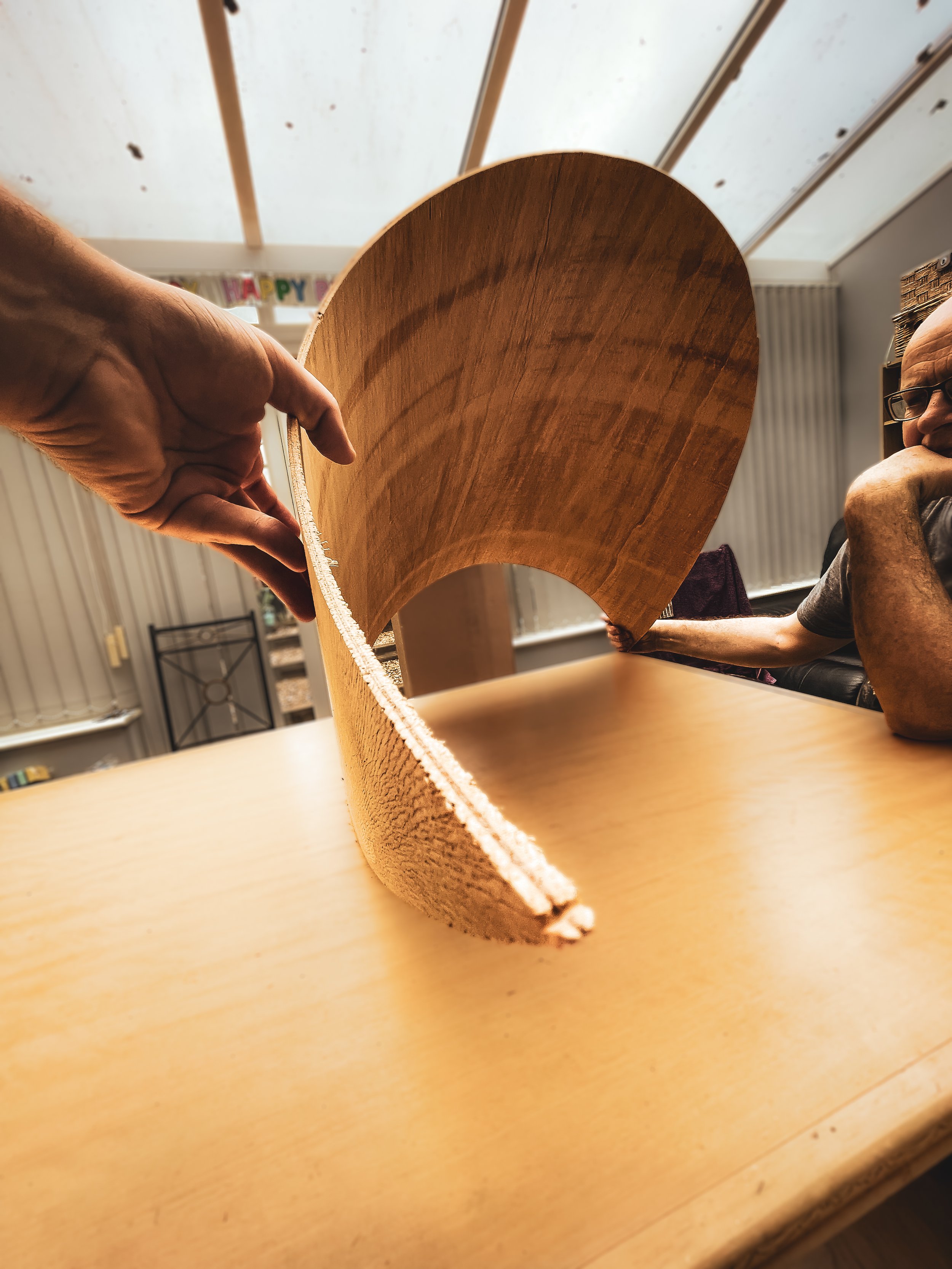
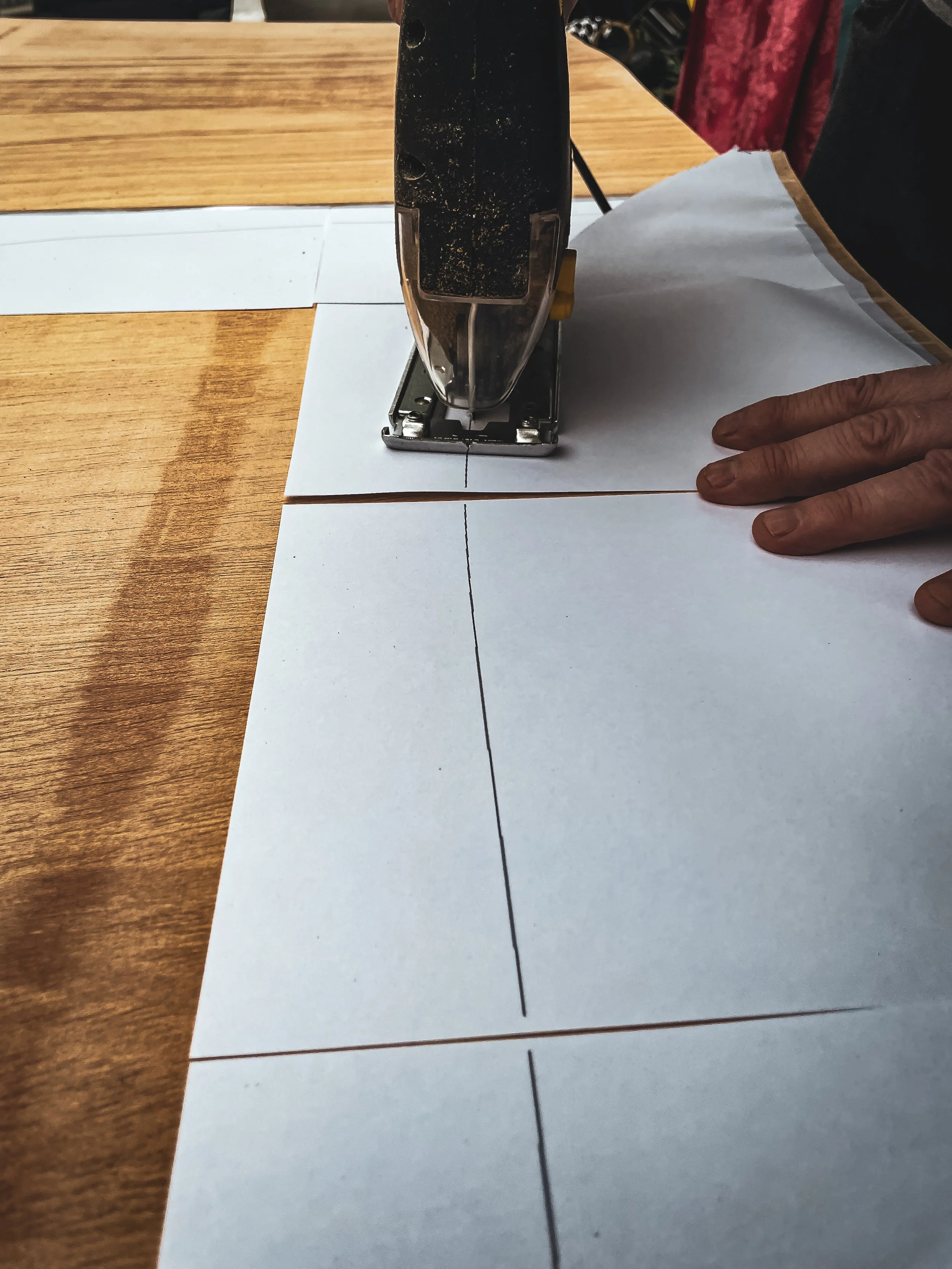
Testing the experience at full scale.
A 1:1 prototype validated ergonomics, usability and the transition between open and focused working.
06/
outcome
A workspace designed to shape behaviour, not just divide space.
TARIAN demonstrated how insights from environmental psychology informed every design decision, creating a flexible workspace that adapted to the way people think.